

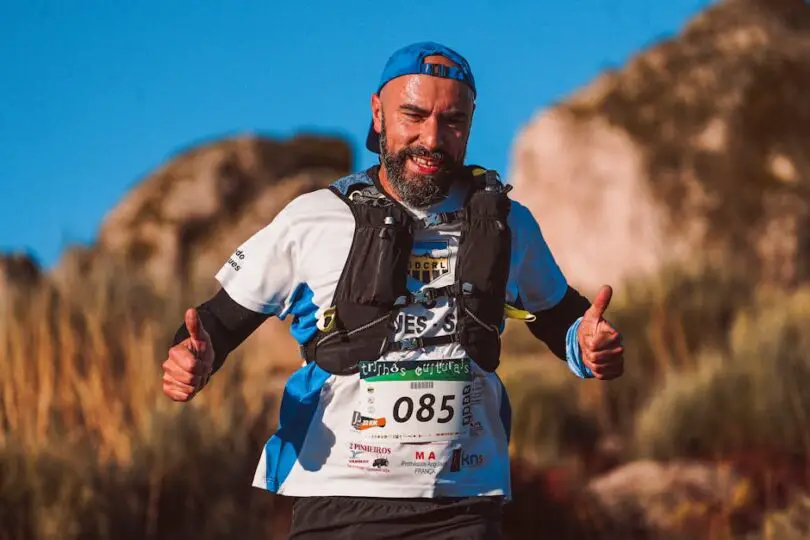

Trail Running vs Hiking: Which Burns More Calories?
You lace up your boots, hit the trail, and feel that satisfying burn in your legs as the path climbs upward. Whether you’re grinding out miles at a jog or taking it steady with trekking poles in hand, you know you’re getting a workout. But if you’ve ever wondered which activity actually torches more calories — trail running or hiking — you’re not alone.
The short answer? Trail running burns more calories per hour. But that’s not the whole story. Hiking has its own metabolic advantages, especially when you add elevation gain, a loaded pack, and longer time on trail. The best exercise is the one you’ll actually do consistently, and both trail running and hiking deliver serious fitness benefits that go far beyond the calorie counter on your watch.
Let’s break down the science, compare the numbers, and figure out which one fits your goals.
Calorie Comparison: Trail Running vs Hiking by the Numbers
Exercise scientists use MET values (Metabolic Equivalent of Task) to estimate energy expenditure. One MET equals the energy you burn sitting quietly — about 1 calorie per kilogram of body weight per hour. The higher the MET, the harder your body is working.
Here’s how trail running and hiking stack up using established MET values from the Compendium of Physical Activities:
| Activity | MET Value | 150 lb (68 kg) | 180 lb (82 kg) | 200 lb (91 kg) |
|---|---|---|---|---|
| Flat hiking (moderate pace) | 5.3 | 360 cal/hr | 435 cal/hr | 482 cal/hr |
| Uphill hiking (steep grade) | 7.8 | 530 cal/hr | 640 cal/hr | 710 cal/hr |
| Hiking with 20-40 lb pack | 7.0–8.5 | 476–578 cal/hr | 574–697 cal/hr | 637–774 cal/hr |
| Trail running (flat to moderate) | 8.0 | 544 cal/hr | 656 cal/hr | 728 cal/hr |
| Trail running (hilly terrain) | 10.0–12.0 | 680–816 cal/hr | 820–984 cal/hr | 910–1,092 cal/hr |
A few things jump out from these numbers. Trail running on hilly terrain can burn north of 1,000 calories per hour for a 200-pound person — that’s an enormous energy expenditure. But look at uphill hiking with a loaded pack: those numbers climb into the 700–800 calorie range, which isn’t far behind flat trail running.
The gap narrows even further when you consider duration. Most people can hike for 4–8 hours comfortably. Very few recreational trail runners sustain high-intensity running for more than 1–2 hours. Over a full day on trail, a hiker with a pack may actually burn more total calories than a trail runner who covers the same route in half the time.
Factors That Affect Calorie Burn
The numbers above are estimates. Your actual calorie burn depends on several variables that can swing the equation significantly in either direction.
Terrain and Trail Surface
Soft sand, loose scree, mud, and rocky scrambles all demand more energy than packed dirt or paved paths. Trail running on technical terrain forces constant micro-adjustments in your stride — engaging your stabilizer muscles, core, and ankles far more than road running. Similarly, hiking over boulder fields or through deep snow can push MET values well above the averages listed in any table.
Elevation Gain
This is the great equalizer. Climbing 1,000 feet per mile transforms a casual hike into a leg-burning, heart-pounding effort. Elevation gain increases calorie burn dramatically for both activities, but it tends to slow trail runners down to a power-hike pace on steep grades anyway. On a route with 3,000+ feet of gain, the calorie difference between hiking and running may be surprisingly small — because the runner spends significant time hiking the uphills regardless.
Pack Weight
Carrying a 30-pound backpack is essentially strength training while doing cardio. Research published in the Journal of Strength and Conditioning Research shows that each additional 10 pounds of pack weight increases energy expenditure by roughly 5–10%. Trail runners typically carry minimal weight (a hydration vest with a liter of water), while backpackers may haul 25–50 pounds. That extra load adds up over a full day.
Speed and Intensity
Faster movement burns more calories per minute but fewer calories per mile. A trail runner covering 8-minute miles burns more per hour than a hiker at 20-minute miles, but the per-mile cost is closer than you’d expect. The runner’s greater efficiency at speed partially offsets the higher pace. However, the runner accumulates those calories in far less time — making trail running the clear winner for time-efficient workouts.
Body Weight and Composition
Heavier individuals burn more calories during both activities simply because it takes more energy to move more mass. Muscle mass also plays a role: a muscular 180-pound person will burn slightly more than someone at the same weight with a higher body fat percentage, because muscle tissue is more metabolically active during exercise.
Benefits Beyond Calories
Focusing only on calorie burn misses the bigger picture. Both trail running and hiking deliver fitness benefits that a treadmill session can’t replicate.
Trail Running Benefits
- Cardiovascular fitness: Trail running pushes your heart rate into higher training zones more consistently. Over time, this improves VO2 max, lowers resting heart rate, and strengthens your cardiovascular system more aggressively than moderate-intensity hiking.
- Time efficiency: If you have 60 minutes to work out, trail running delivers more bang for your buck. You’ll cover more ground, burn more calories, and get a more intense cardiovascular stimulus in a shorter window.
- Speed and agility: Navigating roots, rocks, and uneven terrain at speed builds proprioception, ankle stability, and quick-twitch muscle response. Trail runners develop a level of foot-eye coordination that translates well to other sports.
- Afterburn effect: Higher-intensity exercise produces greater excess post-exercise oxygen consumption (EPOC). After a hard trail run, your metabolism stays elevated for hours as your body recovers — burning additional calories even at rest.
Hiking Benefits
- Joint-friendly exercise: Hiking’s lower impact makes it accessible to people with knee issues, older adults, or anyone returning from injury. You still get a solid workout without the repetitive pounding that running delivers to your joints.
- Mental health and stress relief: The slower pace of hiking allows you to actually absorb your surroundings. Studies in Environmental Health and Preventive Medicine show that time spent walking in nature reduces cortisol levels, blood pressure, and anxiety more effectively than urban exercise. Hiking’s meditative quality is a genuine health benefit.
- Load-carrying fitness: Hiking with a pack builds functional strength in your legs, core, hips, and shoulders. This type of loaded endurance training has practical carryover to everyday life — carrying groceries, moving furniture, or playing with your kids.
- Sustained endurance: Long hiking days build aerobic base fitness and fat-burning capacity. Spending 6–10 hours at a moderate heart rate trains your body to use fat as fuel efficiently, which benefits overall metabolic health.
Injury Risk Comparison
Neither activity is injury-free, but the types of injuries differ significantly.
Trail Running Injuries
Trail running’s biggest risks come from the combination of speed, uneven terrain, and fatigue. Common injuries include:
- Ankle sprains: The most common trail running injury. One misplaced foot on a root or rock at speed can mean weeks on the couch. Low-cut trail running shoes offer less ankle support than hiking boots, which increases this risk.
- Knee pain: Repetitive impact — especially on downhill sections — stresses the patellar tendon and IT band. Runner’s knee and IT band syndrome are frequent complaints among trail runners who rack up high weekly mileage.
- Falls and impact injuries: Tripping at 7–8 mph isn’t the same as stumbling at 2 mph. Trail runners deal with scrapes, bruises, and occasionally more serious injuries from falls on technical terrain.
Hiking Injuries
Hiking injuries tend to be less acute but can still sideline you:
- Blisters and hot spots: Hours of continuous walking, especially in new boots or wet conditions, creates friction injuries that range from annoying to debilitating on multi-day trips.
- Overuse injuries: Long descents are surprisingly hard on your knees. The eccentric loading of walking downhill with a pack strains the quadriceps and can aggravate knee issues over time.
- Back and shoulder strain: A poorly fitted or overloaded pack transfers stress to your spine, shoulders, and hips. This is especially common among beginning backpackers who haven’t dialed in their gear or pack-fitting technique.
Pack weight is a major injury factor for hikers. Every pound on your back increases the load on your joints during each step. Ultralight backpacking principles — cutting base weight to 10–15 pounds — exist partly to reduce this cumulative stress.
Which Should You Choose?
The right choice depends on what you’re actually trying to achieve. Here’s a straightforward decision framework:
Choose Trail Running If:
- Your primary goal is weight loss: The higher calorie burn per hour and EPOC effect make trail running more efficient for creating a calorie deficit, especially if your available exercise time is limited.
- You want cardiovascular improvement: Trail running drives your heart rate higher and improves aerobic capacity faster than moderate-paced hiking.
- Time is your biggest constraint: A 45-minute trail run can deliver what takes a 2-hour hike to match in terms of calorie expenditure and cardiovascular stimulus.
- You enjoy intensity and competition: Trail races, Strava segments, and personal bests give you motivation. The trail running community is built around pushing limits.
Choose Hiking If:
- You want sustainable, long-term fitness: Hiking’s lower injury rate means more consistent training over months and years. Consistency beats intensity for long-term health outcomes.
- You’re focused on mental health: The slower pace, social nature, and immersive outdoor experience make hiking superior for stress reduction and mental wellbeing.
- You want adventure and exploration: Backpacking trips, summit attempts, and multi-day treks offer experiences that trail running simply can’t replicate. The journey itself becomes the point.
- You’re building fitness from scratch: Hiking is a gentler on-ramp. You can start with flat, short hikes and progressively add distance, elevation, and pack weight without the joint stress of running.
Choose Both If:
- You want well-rounded outdoor fitness
- You enjoy variety in your training
- You’re training for events that combine running and hiking (ultra-marathons, fastpacking)
Can You Do Both? Building a Combined Training Plan
The trail running and hiking communities sometimes act like these are competing activities. They’re not. Combining both creates a more balanced fitness program than either alone.
Here’s a sample weekly structure that blends both:
- Monday: Rest or easy walk
- Tuesday: 30–45 minute trail run (moderate effort, rolling terrain)
- Wednesday: Strength training (squats, lunges, core work)
- Thursday: 30–45 minute trail run (tempo effort or hill repeats)
- Friday: Rest or yoga/mobility
- Saturday: Long hike (2–5 hours, add pack weight progressively)
- Sunday: Easy trail run or recovery hike (60–90 minutes)
This approach gives you the cardiovascular benefits of trail running during the week while using weekend hikes to build endurance, enjoy nature, and accumulate volume at lower intensity. The Saturday hike serves as a long aerobic session that complements the shorter, harder running efforts.
If you’re training for a specific goal — like an ultramarathon or a big backpacking trip — shift the balance accordingly. Ultra runners should hike more (especially uphill power-hiking, which is a critical race skill). Aspiring backpackers should include running to build the aerobic base that makes long days with a pack feel manageable.
The key principle: use trail running for intensity and time efficiency, and hiking for volume, load-bearing fitness, and active recovery. They complement each other perfectly.
Frequently Asked Questions
How many calories does hiking burn per mile compared to trail running?
On flat terrain, hiking burns roughly 80–100 calories per mile for a 150-pound person, while trail running burns about 100–120 calories per mile. The per-mile difference is smaller than most people expect — the real gap is in calories per hour, since runners cover miles faster. On steep uphill terrain, hiking with a pack can actually match or exceed trail running’s per-mile calorie burn because the added weight and slower pace increase energy cost per step.
Is hiking good enough exercise to lose weight?
Absolutely. Hiking is excellent for weight loss, especially when combined with reasonable nutrition. A 180-pound person burns 400–700 calories per hour hiking, depending on terrain and pack weight. A weekend day hike of 4–5 hours can burn 2,000+ calories — equivalent to running 15–20 miles for many people. Hiking is also sustainable long-term because it’s lower impact and more enjoyable than many gym-based workouts, which means you’re more likely to stick with it.
Does trail running build more muscle than hiking?
Trail running builds more fast-twitch muscle in the calves and lower legs due to the explosive push-off and rapid stabilization required on uneven terrain. However, hiking — especially with a loaded pack and significant elevation gain — builds more overall lower body and core strength. Heavy pack hiking is essentially a weighted squat performed thousands of times per day. For upper body and core engagement, hiking with a pack wins. For calf and ankle development, trail running has the edge.
How often should I trail run vs hike for optimal fitness?
For general fitness, aim for 2–3 trail runs and 1 longer hike per week. This gives you roughly 3–4 hours of higher-intensity cardio from running plus a longer endurance session from hiking. Adjust the ratio based on your goals: more running if you’re focused on cardiovascular fitness or racing, more hiking if you’re training for backpacking trips or prefer lower-impact exercise. Listen to your body — if your knees ache after running, swap a run for a hike that week.
Can I get the same workout from walking on a treadmill with an incline?
An incline treadmill can replicate the calorie burn of uphill hiking fairly well. Setting a treadmill to 10–15% grade at 3–3.5 mph approximates the MET value of steep trail hiking. However, you miss the lateral movement, uneven surfaces, and stabilization demands of real trails — which engage more muscle groups and build better balance. You also miss the mental health benefits of being outdoors. A treadmill is a reasonable substitute when weather prevents outdoor activity, but it’s not a complete replacement for actual trail time.
Featured Image Source: Pexels