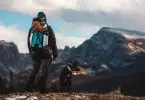



I’ve thru-hiked with a $600 kit cobbled together from clearance sales and a $3,200 ultralight setup that would make gram-counters weep with joy. The truth? Both got me to the same summit. But knowing where your money actually goes — and where you can cut corners without suffering — makes all the difference between a smart investment and an expensive mistake.
The backpacking gear cost question haunts every new hiker, and the answers online range from “just get a tarp and a trash bag” to “you need $4,000 minimum.” Neither is helpful. So here’s the real breakdown, based on current 2025-2026 prices and years of watching gear fall apart (and hold together) on the trail.
[IMAGE: Flat lay of complete backpacking gear setup spread out on a living room floor, organized by category — pack, shelter, sleep system, clothing, kitchen, and accessories]Total Cost Summary: What You’ll Actually Spend
Before we dissect every category, here’s the big picture. Your total backpacking gear list cost depends almost entirely on how much weight you’re willing to carry and how long you plan to be out.
| Budget Level | Total Cost | Base Weight | Best For |
|---|---|---|---|
| Budget | $500–$800 | 25–35 lbs | Weekend warriors, beginners testing the waters |
| Mid-Range | $1,000–$1,500 | 18–25 lbs | Regular backpackers, 3-season use |
| Premium / Ultralight | $2,000–$3,500 | 8–15 lbs | Thru-hikers, weight-obsessed optimizers |
The average first-timer spends $800 to $1,200 on a complete gear setup. That’s not a bad number — it lands you squarely in the sweet spot where gear is reliable enough for multi-day trips without requiring you to sell a kidney for a 6-ounce tent.
One critical thing these numbers don’t include: consumables. Food, fuel, permits, and transportation to trailheads add $50–$150 per trip, and those costs compound fast. More on that later.
The Big 3: Pack, Tent, and Sleep System
Your pack, shelter, and sleeping setup will eat 50–60% of your total budget. This is also where the weight savings (and price spikes) are most dramatic. Get these right and everything else is details.
[IMAGE: Side-by-side comparison of a budget backpack, tent, and sleeping bag next to their ultralight equivalents, showing the size and bulk difference]Backpack
Your pack is the chassis everything else rides on. A poorly fitting pack will ruin a trip faster than rain, blisters, or bad freeze-dried meals combined.
| Pack | Price | Weight | Capacity |
|---|---|---|---|
| Kelty Coyote 60 | $160 | 4 lbs 2 oz | 60L |
| REI Co-op Trailmade 60 | $130 | 3 lbs 15 oz | 60L |
| Osprey Atmos AG 65 | $310 | 4 lbs 8 oz | 65L |
| Gregory Baltoro 65 | $330 | 4 lbs 11 oz | 65L |
| Gossamer Gear Mariposa 60 | $285 | 1 lb 10 oz | 60L |
| Zpacks Arc Haul Ultra 60 | $350 | 1 lb 5 oz | 60L |
Budget recommendation: The REI Co-op Trailmade 60 at $130 is arguably the best value in backpacking right now. It borrows suspension design from packs twice its price. The Kelty Coyote is another tank that’ll last years of abuse.
Where the money goes at the top end: Ultralight packs like the Zpacks Arc Haul Ultra use Dyneema composite fabrics that cost a fortune to manufacture. You’re paying for every ounce they shaved off — roughly $15 per ounce saved compared to budget options.
Tent / Shelter
Shelter is where budget backpackers feel the most pain. Cheap tents are heavy, and light tents are expensive. There’s no way around this trade-off — but there are smart compromises.
| Shelter | Price | Weight | Type |
|---|---|---|---|
| Naturehike CloudUp 2 | $110 | 3 lbs 14 oz | Freestanding, 2P |
| REI Co-op Passage 2 | $160 | 5 lbs 5 oz | Freestanding, 2P |
| Big Agnes Copper Spur HV UL2 | $450 | 2 lbs 12 oz | Freestanding, 2P |
| Nemo Dagger OSMO 2P | $430 | 3 lbs 5 oz | Freestanding, 2P |
| Zpacks Duplex | $670 | 1 lb 3 oz | Trekking pole, 2P |
| Hyperlite Mountain Gear Unbound 2P | $770 | 1 lb 9 oz | Trekking pole, 2P |
Budget pick: The Naturehike CloudUp 2 at $110 is the gateway drug of cheap backpacking gear. It won’t win any awards, but it keeps rain out and weighs under 4 pounds. For weekend trips, that’s all you need.
Sleep System (Bag + Pad)
Your sleep system is two pieces: insulation (sleeping bag or quilt) and a sleeping pad. Skimping here means cold, miserable nights — this is the wrong place to cut costs aggressively.
| Sleeping Bag / Quilt | Price | Weight | Temp Rating |
|---|---|---|---|
| Kelty Cosmic 20 | $100 | 2 lbs 11 oz | 20°F |
| REI Co-op Trailmade 20 | $100 | 2 lbs 14 oz | 20°F |
| Nemo Disco 15 | $230 | 2 lbs 8 oz | 15°F |
| Enlightened Equipment Enigma 20 | $280 | 1 lb 5 oz | 20°F |
| Western Mountaineering UltraLite 20 | $480 | 1 lb 13 oz | 20°F |
| Sleeping Pad | Price | Weight | R-Value |
|---|---|---|---|
| Nemo Switchback (closed-cell foam) | $40 | 14 oz | 2.0 |
| REI Co-op Trailmade Air | $60 | 1 lb 4 oz | 3.2 |
| Nemo Tensor Insulated | $200 | 15 oz | 4.2 |
| Therm-a-Rest NeoAir XLite NXT | $220 | 12 oz | 4.5 |
Budget sleep system total: $140–$160 (Kelty Cosmic 20 + Nemo Switchback or REI Trailmade Air). Premium sleep system total: $500–$700 (down quilt + NeoAir XLite). The comfort difference is enormous, but so is the price gap.
Clothing and Footwear Costs
Here’s where most budget guides get it wrong: they assume you’re starting from zero. If you already own athletic clothing, you already own backpacking clothing. You don’t need head-to-toe merino wool for your first trip.
[IMAGE: Backpacking clothing layering system laid out — base layer, insulating mid-layer, rain shell, hiking pants, and trail runners]| Clothing Item | Budget Option | Mid-Range Option |
|---|---|---|
| Trail runners / hiking boots | $80–$110 (Merrell, Altra Lone Peak) | $150–$180 (Salomon, La Sportiva) |
| Rain jacket | $50–$80 (Frogg Toggs UL2) | $150–$250 (Outdoor Research Helium, Patagonia Torrentshell) |
| Insulating layer | $30–$60 (Amazon fleece, Decathlon down) | $130–$200 (Patagonia Nano Puff, REI 650 Down) |
| Base layers (top + bottom) | $25–$40 (synthetic from Decathlon or 32 Degrees) | $80–$140 (Smartwool or Icebreaker merino) |
| Hiking pants / shorts | $25–$40 (Decathlon, Amazon nylon pants) | $70–$90 (prAna Stretch Zion, Outdoor Research Ferrosi) |
| Socks (2 pairs wool) | $20 (REI Co-op brand) | $40 (Darn Tough, lifetime warranty) |
Budget clothing total: $230–$370. Mid-range: $580–$900.
My honest advice: buy the cheapest rain jacket that works (Frogg Toggs at $30 is a legitimate option — it’s ugly but waterproof), invest in good footwear and socks, and fill the gaps with athletic clothing you already own. Darn Tough socks are the one “premium” item I recommend to every single beginner — the lifetime warranty means they’re actually the cheapest socks you’ll ever buy.
Kitchen, Water, and Safety Gear
This category is where backpacking on a budget gets easy. Kitchen and safety gear costs are relatively flat across all budget levels because lightweight options are already cheap.
| Item | Budget Pick | Price |
|---|---|---|
| Stove | BRS-3000T Ultralight | $20 |
| Cookpot | TOAKS 750ml Titanium | $30 |
| Spork | TOAKS Titanium Long Spork | $10 |
| Fuel canister | MSR IsoPro 8oz | $8 |
| Water filter | Sawyer Squeeze | $35 |
| Water bottles (2x Smart Water) | Glacier Smart Water 1L | $4 |
| Headlamp | Nitecore NU25 UL | $36 |
| First aid kit | Adventure Medical Kits Ultralight .5 | $16 |
| Knife | Victorinox Classic SD | $20 |
| Fire starter | BIC Mini lighter + tinder | $3 |
| Trekking poles | Cascade Mountain Tech Carbon Fiber | $45 |
| Bear canister (if required) | BearVault BV500 | $80 |
Total for kitchen, water, and safety: $225–$310. This is one area where the budget option is often the best option. The BRS-3000T stove weighs less than an ounce and costs $20 — even ultralight thru-hikers use it. The Sawyer Squeeze is the industry standard at any price point. Smart Water bottles are better than most purpose-built water bottles because they’re light, cheap, and compatible with the Sawyer Squeeze threading.
The only significant variable here is the bear canister. Required in parts of the Sierra Nevada, some Adirondack zones, and other areas, the BearVault BV500 runs $80 and you can’t substitute it. Factor this in if you’re heading to bear country.
Hidden Costs New Backpackers Miss
Your gear list isn’t your total backpacking cost. Not even close. These recurring and one-time expenses catch beginners off guard every single time.
[IMAGE: A receipt or expense breakdown graphic showing the hidden costs of a 3-day backpacking trip beyond just gear]Permits and Fees
- National Park backcountry permits: $15–$45 per trip (varies by park)
- Wilderness permits: Free to $25 depending on the forest
- JMT / PCT permits: Free but require lottery entry months in advance
- Parking fees: $5–$30 per day at many trailheads
- America the Beautiful Pass: $80/year (covers all national parks — pays for itself in 2–3 visits)
Food and Fuel
- Freeze-dried meals: $8–$14 per meal (Mountain House, Peak Refuel)
- DIY trail food: $5–$8 per day if you shop smart
- Fuel canisters: $6–$10 each, lasting 3–5 days depending on cooking habits
- Budget tip: Instant oatmeal, tortillas, peanut butter, tuna packets, and ramen cost under $5/day and require minimal cooking
Transportation
- Gas to trailheads: $20–$80 depending on distance
- Shuttle services: $15–$50 for point-to-point hikes
- Flights for destination hikes: $200–$500+
Replacement and Repair
- Shoe replacement: Every 500–700 miles ($100–$170 per pair)
- Seam sealer, patches, repair tape: $10–$20 per year
- Water filter replacement elements: Every 1,000–2,000 liters
Realistic per-trip cost beyond gear: $50–$150 for a 3-day weekend trip. Over a season of 6–8 trips, that’s an extra $300–$1,200 you didn’t budget for. Factor it in from the start.
Where to Save Money on Backpacking Gear
Smart backpacking on a budget isn’t about buying the cheapest gear — it’s about buying the right gear at the right price. Here’s where experienced backpackers actually save money.
Buy Used Gear
The used market for backpacking gear is massive and full of barely-used equipment from people who went on one trip and decided it wasn’t for them. Your gain.
- r/GearTrade (Reddit): The most active used gear community. Prices run 40–60% off retail. Check it daily — deals go fast.
- REI Used Gear (online): Returned items with condition ratings. Great for packs and clothing since REI’s return policy means many items were barely used.
- REI Garage Sales: In-store events with deep discounts on returned gear. Arrive early — the best stuff goes in minutes.
- GearTrade.com: Curated secondhand outdoor gear marketplace.
- Facebook Marketplace and local hiking groups: Often the cheapest option for bulky items like packs and tents.
A realistic used-gear budget setup: $350–$550 for a complete kit if you’re patient and willing to watch listings for 2–4 weeks.
Timing Your Purchases
- REI Anniversary Sale (May): 20–30% off most gear, stackable with member dividends
- REI Labor Day Sale: End-of-summer clearance on current-year models
- Black Friday / Cyber Monday: Best deals of the year at most outdoor retailers
- End-of-season clearance (September–October): Retailers dump current inventory to make room for next year’s gear
Budget Brand Alternatives
These brands deliver 85–90% of the performance at 40–60% of the cost of premium names:
- Decathlon (Forclaz, Quechua lines): European brand with shockingly good budget gear. Their Forclaz MT900 pack competes with packs twice its price.
- Naturehike: Chinese brand known for affordable tents and sleeping pads. The CloudUp 2 is a backpacking institution at $110.
- Kelty: Legacy American brand with entry-level packs and sleeping bags that punch above their weight class.
- REI Co-op brand: REI’s house brand consistently offers the best value-to-performance ratio on the market.
DIY and MYOG (Make Your Own Gear)
The “make your own gear” community is surprisingly accessible. Even non-sewers can save significantly:
- Alcohol stove from a cat food can: $0 (weighs 0.5 oz, works perfectly)
- Stuff sacks from ripstop nylon: $3–$5 vs. $15–$20 retail
- Tyvek ground sheet: $10 for a roll vs. $30–$50 for a branded footprint
- DIY wind screen from aluminum foil: $0
What NOT to Cheap Out On
Some gear deserves your full budget. Cheap versions of these items cause blisters, sleepless nights, or safety problems:
- Footwear: Your feet carry everything. Bad shoes end trips early.
- Rain protection: A leaking jacket in a storm isn’t a discomfort — it’s a hypothermia risk.
- Sleeping pad: A cold, deflating pad means no sleep. No sleep means bad decisions on the trail.
- Water treatment: This is a health and safety item. Stick with proven options like the Sawyer Squeeze.
Frequently Asked Questions
How much does a beginner backpacking setup cost?
A complete beginner backpacking setup costs $500 to $1,200 depending on whether you buy new or used, budget or mid-range. The sweet spot for most beginners is around $800–$1,000 buying a mix of new budget items and one or two quality mid-range pieces (like a good pack and sleeping pad). You can get started for under $500 if you buy used and already own suitable athletic clothing and footwear.
Is ultralight backpacking gear worth the cost?
It depends on how often you hike and how far. For weekend warriors doing 2–4 trips per year, ultralight gear’s premium pricing ($2,000–$3,500 total) is hard to justify. For thru-hikers covering hundreds or thousands of miles, every ounce matters and the investment pays off in reduced fatigue and joint stress. The diminishing returns hit hard above $2,000 — going from a 25-pound to 18-pound base weight costs $500–$800, but going from 18 to 12 pounds can cost an additional $1,500+.
What’s the cheapest way to start backpacking?
The cheapest way to start is to borrow gear for your first trip. Many hiking clubs, REI stores, and outdoor programs offer rental kits for $30–$75 per weekend. If you decide to invest, buy a used pack and tent from r/GearTrade or REI Used Gear, pair them with a budget sleeping bag like the Kelty Cosmic 20, and use athletic clothing you already own. Total cost: $250–$400. Upgrade individual pieces as you learn what matters most to your comfort.
How much should I spend on a backpacking pack?
Plan to spend $130–$330 on a backpacking pack. This is the one item you should try on in person before buying — a $300 pack that fits poorly is worse than a $130 pack that fits well. The REI Co-op Trailmade 60 ($130) and Osprey Atmos AG 65 ($310) represent the best value at the budget and mid-range tiers respectively. Don’t exceed $350 unless you’re specifically pursuing an ultralight build where a frameless or minimal-frame pack makes sense for your lighter overall load.
How long does backpacking gear last?
Quality backpacking gear lasts 5–15 years with proper care, making the per-use cost surprisingly low. Packs and sleeping bags last the longest (10–15 years). Tents last 5–10 years depending on UV exposure and frequency of use. Footwear lasts 500–700 trail miles (1–3 years for most people). Sleeping pads last 5–8 years. When you calculate cost-per-use, even a $450 tent used 50 nights over 7 years costs $9 per night — cheaper than any campground. Budget gear generally lasts 60–70% as long as premium gear, so the cost-per-use gap is smaller than the sticker price suggests.
The Bottom Line on Backpacking Gear Cost
The total backpacking gear cost that makes sense for you depends on one question: how often will you use it? If you’re testing the waters, a $500–$700 budget kit (or even a rental) gets you on the trail without financial regret. If you’re committed to regular multi-day trips, investing $1,000–$1,500 in quality mid-range gear pays dividends in comfort, durability, and weight savings over the next decade.
Start with the Big 3 — pack, tent, and sleep system — since they represent over half your budget and have the biggest impact on your experience. Buy the best footwear and rain protection you can afford. Fill every other gap with budget options and upgrades from clearance sales. And always, always check the used market first.
The best backpacking gear is the gear that gets you outside. Don’t let the price tags keep you on the couch.
Featured Image Source: Pexels