


Somewhere around mile 400 on the PCT, I dumped my stove in a hiker box. Not because it broke—it worked fine. I was just tired of carrying it. The fuel canisters, the pot, the windscreen, the lighter backup, all of it. A guy named Trail Mix at the hostel in Agua Dulce had been eating cold ramen for three weeks and looked perfectly happy about it. So I borrowed a Talenti jar from his resupply box and never looked back.
Cold soak backpacking meals aren’t glamorous. Nobody’s posting aesthetic photos of rehydrated couscous in a plastic jar. But when you’re crushing 25-mile days and every ounce matters, the math starts making a lot of sense. Ditch the stove setup and you’re saving 12-16 ounces instantly. That’s a full pound you could spend on better sleep or just… not carrying.
This guide covers everything I’ve learned about stoveless backpacking meals after thousands of trail miles. We’ll break down the weight savings, talk containers, and then get into 12 actual recipes I’ve eaten repeatedly without getting sick of them. Some of these are trail classics. Others I stumbled into by accident when my resupply options were a gas station and a Dollar General. All of them work.
What Is Cold Soaking and Why Ultralight Hikers Swear By It
Cold soaking is exactly what it sounds like: you put dry food in a container with cold water and let it sit until it’s edible. No heat involved. The water slowly rehydrates the ingredients over 15 minutes to a few hours, depending on what you’re soaking.
Thru-hikers on the Pacific Crest Trail and Appalachian Trail popularized this method out of pure laziness—the good kind. When you’re walking 8-12 hours a day, the last thing you want is to spend 20 minutes setting up a stove, boiling water, cooking, eating, then cleaning everything. Cold soaking means you can eat while you walk. Prep your meal at a water source, toss it in your pack, and it’s ready by the time you’re hungry.
The texture won’t match a hot meal. Let’s be real about that upfront. But after a few days on trail, “good enough” becomes the standard, and cold soaked food clears that bar easily.
Weight Savings Breakdown (No Stove, No Fuel, No Cookware)
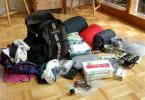
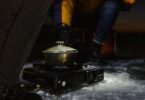
Here’s where cold soaking gets compelling. A typical backpacking stove setup looks something like this:
| Item | Weight |
|---|---|
| Canister stove (BRS-3000T or similar) | 0.9 oz |
| 4 oz fuel canister | 7.5 oz |
| 750ml titanium pot | 4.2 oz |
| Pot lid | 0.8 oz |
| Windscreen | 0.5 oz |
| Lighter + backup | 1.0 oz |
| Total | 14.9 oz |
Now compare that to cold soaking:
| Item | Weight |
|---|---|
| Talenti jar or CNOC container | 2.0-2.5 oz |
| Long-handled spoon | 0.6 oz |
| Total | 2.6-3.1 oz |
You’re looking at roughly 12 ounces of savings. Almost a full pound. On a week-long trip, that’s the difference between a comfortable pack and one that makes your shoulders hate you by day three.
And it’s not just weight. It’s volume. Fuel canisters are awkward shapes that eat pack space. A Talenti jar tucks anywhere.
Best Cold Soak Containers (Talenti Jars, CNOC Vecto)
The Talenti gelato jar became the unofficial cold soak container of the thru-hiking community, and there’s a good reason for it. Wide mouth for easy eating. Screw-top lid that actually seals. Thick enough plastic that it won’t crack when you sit on your pack. And the best part—you get to eat a pint of gelato first. Total weight runs about 2 ounces empty.
The only downside is capacity. A Talenti jar holds about 16 oz, which works for most meals but feels cramped for bigger portions. I’ve cracked a few lids over the years from overtightening, so I always carry a backup lid in my repair kit.
CNOC Vecto makes a purpose-built cold soak container that addresses some of these issues. It’s collapsible when empty, holds 28 oz, and has measurement markings on the side. At $15 it costs more than free (Talenti), but it’s more durable and versatile.
My setup: I carry one Talenti jar for active soaking and one small Ziploc bag as backup. The Ziploc works in a pinch but leaks if you’re not careful.
Other options I’ve seen on trail: peanut butter jars (too hard to clean), Nalgene bottles (mouth too narrow), and takeout containers (too flimsy). Stick with Talenti or CNOC.
12 Tested Cold Soak Recipes for the Trail
These aren’t hypothetical recipes I found online and reformatted. I’ve eaten every single one of these, most of them dozens of times. The calorie counts are approximate—I’m not bringing a food scale into the backcountry—but they’re close enough for planning purposes.
1. Classic Cold Soak Ramen
This is ground zero for cold soaking. If you’ve never tried it, start here.
Ingredients:
- 1 packet instant ramen (any brand)
- Water to cover
Instructions: Break the ramen block into smaller pieces, add to your jar, cover with cold water, and wait 20-30 minutes. Add the seasoning packet whenever—before, during, after soaking, doesn’t matter.
Calories: ~380 | Soak time: 25-30 minutes
The noodles won’t have that hot-soup slurpiness. They’ll be softer, chewier, more like a noodle salad. I actually prefer the texture now. The seasoning packet dissolves fine in cold water, though you might need to stir it a few times.
Pro tip: Maruchan soaks faster than Top Ramen in my experience. The noodles are thinner.
2. Couscous with Italian Seasoning and Olive Oil
Couscous is the fastest-soaking grain I’ve found. It’s basically tiny pasta, and it rehydrates in 10-15 minutes with cold water.
Ingredients:
- 1/2 cup instant couscous
- 1 tbsp olive oil (carry in a small squeeze bottle)
- 1 tsp Italian seasoning
- Salt and pepper
- Optional: parmesan packet, sun-dried tomatoes
Instructions: Add couscous to jar, cover with water (about 1:1 ratio), and wait 15 minutes. Drain excess water if needed, then add olive oil and seasonings. Stir well.
Calories: ~350 (add 120 for olive oil) | Soak time: 10-15 minutes
This became my go-to lunch on the Colorado Trail. Light, fast, and the olive oil adds fat calories without adding much weight. I buy the little single-serve olive oil packets from Costco and toss a few in each resupply.
3. Instant Refried Bean Burrito Bowl
Santa Fe brand makes dehydrated refried beans that cold soak beautifully. This was my most-eaten dinner on the AT.
Ingredients:
- 1/2 cup instant refried beans
- 1/4 cup instant rice
- Hot sauce packet
- Fritos or tortilla chips (crushed)
- Optional: cheese packet, dried onion flakes
Instructions: Combine beans and rice in jar, add water until everything’s covered plus about half an inch extra. Soak 30-45 minutes. Top with crushed chips and hot sauce.
Calories: ~450 | Soak time: 30-45 minutes
The beans get creamy, the rice gets soft, and the chips add crunch. It’s legitimately good. I’d eat this at home.
The instant refried beans are the key ingredient here. Regular dried beans won’t work—they need heat to rehydrate properly.
4. Tuna and Stuffing Mix
I know how this sounds. But trust me.
Ingredients:
- 1 pouch tuna or chicken (3 oz)
- 1/2 cup Stove Top stuffing mix
- Mayo packet
- Mustard packet
Instructions: Add stuffing to jar with cold water (just enough to moisten, not drown it). Soak 20 minutes. Drain any excess liquid, then mix in tuna and condiment packets.
Calories: ~400 | Soak time: 20 minutes
A hiker named Sherpa showed me this combo at a shelter in Virginia. I was skeptical. Then I tried it and immediately added it to my rotation. The stuffing has herbs and seasoning built in, so it tastes like a weird but satisfying Thanksgiving leftover.
5. Cold Soak Oatmeal with Protein Powder
Overnight oats, but make it ultralight.
Ingredients:
- 1/2 cup instant oats (NOT steel cut)
- 1 scoop protein powder
- 2 tbsp powdered milk
- 1 tbsp brown sugar or maple syrup packet
- Pinch of salt
Instructions: Combine everything in jar the night before. Add water to just cover the oats. Store in your pack overnight. Eat in the morning—no prep needed.
Calories: ~450 | Soak time: Overnight (or 30+ minutes if rushed)
I prep this before bed and wake up to breakfast ready. The protein powder makes it actually filling, not just carb-heavy empty calories. Chocolate protein powder works surprisingly well. So does vanilla.
6. Mashed Potato and Gravy Bowl
Instant mashed potatoes are cold soak champions. They’re just dehydrated potato flakes—add water, they become potatoes.
Ingredients:
- 1/2 cup instant mashed potatoes
- 1 gravy packet (the powdered kind, not jarred)
- Bacon bits
- Optional: cheese packet, dried chives
Instructions: Add potato flakes and gravy powder to jar. Add cold water gradually, stirring as you go—you want thick, not soupy. Let sit 10 minutes. Top with bacon bits.
Calories: ~380 | Soak time: 10 minutes
This was my comfort food on cold evenings. The gravy packet dissolves fine in cold water, though you need to stir it aggressively to avoid lumps. Idahoan makes the best instant mashed potatoes; the generic brands are grainier.
7. Peanut Butter Ramen (Thai-Inspired)
When I first heard about this, I thought it was a hiker joke. It’s not. It’s genuinely one of my favorite trail meals.
Ingredients:
- 1 packet ramen (discard the seasoning or save for another meal)
- 2 tbsp peanut butter
- 1 tbsp soy sauce (carry in a small container)
- Sriracha or chili flakes
- Optional: dried ginger, sesame seeds
Instructions: Soak ramen in cold water 25-30 minutes. Drain most of the water, leaving a few tablespoons. Add peanut butter, soy sauce, and chili. Stir until combined—it takes some effort to mix the peanut butter in cold.
Calories: ~550 | Soak time: 25-30 minutes
The peanut butter adds serious fat and calories. This is my high-mileage dinner when I need to replace what I burned. Fair warning: mixing cold peanut butter takes patience. Let it sit a minute after adding and it softens enough to stir.
8. Cinnamon Apple Couscous
Breakfast or dessert, depending on your mood.
Ingredients:
- 1/2 cup instant couscous
- 2 tbsp dried apple pieces
- 1 tbsp brown sugar
- 1/2 tsp cinnamon
- 2 tbsp powdered milk
Instructions: Combine everything in jar, add cold water to cover, soak 20 minutes. The apples need a bit longer than the couscous, so don’t rush it.
Calories: ~350 | Soak time: 20 minutes
I picked up dried apple rings at a gas station in Bishop, CA, not really knowing what I’d do with them. This recipe happened. The cinnamon makes everything smell great, which matters more than you’d think after a week on trail.
9. Cold Soak Hummus Wraps
Not technically cold soaking in a jar, but it uses the same stoveless philosophy.
Ingredients:
- 1/2 cup powdered hummus mix
- 1-2 tortillas
- Olive oil
- Everything bagel seasoning
- Optional: cucumber, bell pepper (if near town)
Instructions: Mix hummus powder with cold water in your jar until smooth. Takes about 5 minutes of stirring. Spread on tortilla, drizzle with olive oil, top with seasoning, roll up.
Calories: ~400 per wrap | Soak time: 5 minutes
Fantastic Delites makes powdered hummus that actually tastes like hummus. I was skeptical—powdered hummus sounds like a war crime—but it works. Way better than carrying heavy canned hummus or fresh hummus that’ll spoil.
10. Instant Black Bean Soup
Another win for dehydrated beans.
Ingredients:
- 1/2 cup instant black beans
- 1/4 cup instant rice
- 1 packet taco seasoning (or half a packet if you don’t want it too salty)
- Hot sauce
- Fritos
Instructions: Combine beans, rice, and half the taco seasoning in jar. Add water to cover plus extra. Soak 30-45 minutes. Taste and add more seasoning if needed. Top with crushed Fritos.
Calories: ~420 | Soak time: 30-45 minutes
Basically a simpler version of the burrito bowl. I rotate between this and that one to keep things varied. The black beans have a slightly different flavor profile than refried—more distinct bean taste, less creamy.
11. Ranch Pasta Salad
This one’s weird and I love it.
Ingredients:
- 1/2 cup small pasta (orzo, ditalini, or broken spaghetti)
- 1 ranch seasoning packet
- Bacon bits
- Dried vegetables (peas, corn, bell pepper)
Instructions: Pasta takes longer to cold soak than other starches. Add to jar, cover with water, and soak 45-60 minutes minimum. Drain, add ranch seasoning and a splash of olive oil, toss in bacon bits and veggies.
Calories: ~400 | Soak time: 45-60 minutes (start early)
The key is planning ahead. I start this soaking at my lunch break and it’s ready by the time I stop for dinner. Orzo works best—it’s small and soaks faster than bigger pasta shapes.
12. Chocolate Pudding Trail Dessert
Because sometimes you need dessert on trail.
Ingredients:
- 1 packet instant chocolate pudding mix (the small box)
- Powdered milk
- Crushed graham crackers or cookies
Instructions: Mix pudding powder with powdered milk (follow ratio on box but use cold water). Add to jar, stir well, let sit 20-30 minutes. The pudding won’t set as firmly as refrigerated pudding, but it’ll thicken enough. Top with crushed cookies.
Calories: ~300 | Soak time: 20-30 minutes
This is pure morale food. Zero nutritional strategy, just happiness in a jar. I bring one pudding packet per 4-5 days on trail. The anticipation makes it better.
Cold Soak Timing Guide (What Soaks in 15 Min vs 30 Min)
Not everything soaks at the same rate. Here’s what I’ve learned from trial and error:
Fast (10-15 minutes):
- Instant couscous
- Instant mashed potatoes
- Instant oats
- Powdered hummus
Medium (20-30 minutes):
- Ramen noodles
- Stuffing mix
- Instant pudding
- Dried fruit
Slow (30-45+ minutes):
- Instant refried beans
- Instant rice
- Instant black beans
- Small pasta shapes
Won’t work cold:
- Regular dried beans (need heat)
- Regular rice (need heat)
- Dehydrated vegetables (most need heat)
- Freeze-dried meals (designed for boiling water)
Planning tip: Start your slowest ingredient first. If dinner includes beans and couscous, get the beans soaking 30 minutes before you add the couscous.
Calorie Density Comparison: Cold Soak vs Hot Meals
One common criticism of cold soaking: “You can’t get enough calories without hot food.” Let’s check that claim.
| Meal Type | Typical Calories | Weight | Cal/oz |
|---|---|---|---|
| Mountain House (prepared) | 500-600 | 4.5 oz dry | 120 |
| Cold soak ramen + peanut butter | 550 | 4 oz dry | 137 |
| Instant bean burrito bowl | 450 | 3.5 oz dry | 128 |
| Knorr pasta side (stove) | 400 | 4 oz dry | 100 |
Cold soak meals hold their own. The trick is adding fats. Olive oil packs 120 calories per tablespoon at minimal weight. Peanut butter is 190 calories per 2 tablespoons. Carry small amounts of calorie-dense fats and you can match or beat hot meal efficiency.
Where hot meals win: flavor variety and psychological comfort. After two weeks of cold food, a hot coffee becomes profound. Some thru-hikers go hybrid—cold soaking for most meals but carrying a small stove for morning coffee or occasional hot dinners.
When Cold Soaking Doesn’t Work (Cold Weather, Altitude)
I learned this the hard way on a late-season Sierra trip. Cold soaking has limits.
Below 40°F ambient temperature: Water gets too cold to rehydrate food efficiently. I’ve waited 90 minutes for ramen that never softened properly. Your food becomes barely-edible mush instead of actual reconstituted food. Below freezing, forget it—the water itself becomes the problem.
High altitude (10,000+ feet): Not a dealbreaker, but soak times increase. The lower air pressure affects rehydration somehow. Budget an extra 10-15 minutes.
Snow camping: If your only water source requires melting snow, you need a stove anyway. At that point, might as well cook your meals.
Shoulder seasons: This is where judgment matters. April in the Smokies? Fine. April in the Wind Rivers? Bring the stove.
My rule: if overnight lows will be below 40°F, I carry a stove. The weight penalty isn’t worth eating terrible half-soaked food for days.
Workaround that sometimes helps: Keep your jar inside your jacket while hiking. Body heat warms the water a few degrees. It’s not perfect, but it can extend cold soak season a bit.
FAQ
How long does cold soaked food last before it spoils?
Once soaked, treat it like any prepared food—eat it within a few hours. I wouldn’t let cold soaked food sit more than 4-5 hours, especially in warm weather. The water creates a bacteria-friendly environment. Prep what you’ll eat, not extra.
Can I cold soak freeze-dried backpacking meals?
Technically yes, but they’re formulated for boiling water and will taste significantly worse. You’ll also wait much longer—an hour or more. I’ve tried it in emergencies (forgot my stove fuel once) and it’s edible but not enjoyable. Just use the recipes in this guide instead.
Is cold soaking safe from a food safety perspective?
As safe as any other trail food prep, assuming you’re using clean water and eating within a reasonable timeframe. The main risk is the same as any backcountry cooking: contaminated water. Filter or treat your water before soaking, just like you would before drinking it.
What’s the best cold soak container for someone with large hands?
Talenti jars work fine for me and I wear XL gloves, but the CNOC Vecto’s wider mouth is easier. Some hikers use wide-mouth Nalgene bottles (32 oz size), though scraping food from the bottom gets annoying. I’ve also seen people cut the top off a SmartWater bottle, but that makes sealing it sketchy.
Do cold soak meals have enough protein for thru-hiking?
They can, but you have to plan for it. Add protein powder to oatmeal. Use tuna or chicken packets. Carry beef jerky as a side. Most starch-based cold soak meals are carb-heavy, around 10-15g protein max. I aim for 20-30g per meal and supplement with protein-dense snacks.
Cold soaking isn’t for everyone. Some hikers need that hot meal ritual at the end of the day—it’s a psychological anchor, not just nutrition. Fair enough. But if you’re chasing lighter pack weight, simpler routines, or just want to stop messing with stoves, these recipes will keep you fed.
Start with the classic ramen. It’s forgiving and easy. If that works for you, expand from there. By the time you’re mixing peanut butter ramen at a stream crossing without breaking stride, you’ll understand why ultralight hikers won’t shut up about this method.
Now eat some Talenti gelato—you’ve got a container to collect.
Featured Image Source: Pexels