

After logging over 4,000 miles on trails from the Appalachian Trail to the Sierra High Route, I can tell you this with absolute certainty: what you eat on the trail matters more than almost any piece of gear in your pack. I’ve watched hikers bonk on 2,000-foot climbs because they relied on gas station snacks. I’ve seen people quit trips early because they couldn’t stomach another pouch of overpriced freeze-dried slop. And I’ve personally wasted hundreds of dollars on commercial backpacking meals before I figured out a better way.
Backpacking meal prep isn’t just about saving money — though you’ll save plenty. It’s about dialing in your nutrition so your body actually performs when you need it, controlling exactly what goes into your food, and shaving real weight from your pack. A well-planned meal prep system means you spend less time fussing with food on trail and more time covering miles or enjoying camp.
This 7-day backpacking food plan is the system I use for every trip longer than a weekend. It’s built around a simple principle: eat fresh early, transition to semi-dehydrated in the middle, and finish strong with ultralight dehydrated meals. Every meal listed here has been trail-tested in rain, snow, and 95-degree heat. Let’s get into it.
Nutrition Basics for Backpacking
Before you start dehydrating chili and portioning trail mix, you need to understand what your body actually needs on trail. Backpacking nutrition is fundamentally different from everyday eating, and most people dramatically undereat during multi-day trips.
Calorie Requirements
A backpacker carrying a 25-35 pound pack over moderate terrain burns between 3,000 and 4,500 calories per day, depending on body weight, pace, elevation gain, and temperature. For reference, that’s roughly double what most people eat at home. On strenuous days with significant climbing, you can push past 5,000 calories.
You won’t replace every calorie — that’s nearly impossible without carrying excessive food weight. Aim for 3,000-3,500 calories per day as a practical target. Your body will tap into fat reserves for the deficit, which is normal and expected on longer trips. The goal is providing enough fuel to maintain energy and avoid the dreaded bonk.
Macro Targets
Forget the standard dietary guidelines. On trail, your macro split should look more like this:
- Carbohydrates (50-55%): Your primary fuel source for sustained effort. Complex carbs for meals, simple carbs for quick energy on climbs.
- Fat (30-35%): The most calorie-dense macro at 9 calories per gram. Fat is your secret weapon for keeping pack weight down while calorie count up. Olive oil, nuts, nut butter, and cheese are your best friends.
- Protein (15-20%): Essential for muscle recovery overnight. Jerky, dried beans, powdered milk, and dehydrated meat all work well.
Electrolytes and Sodium
Sodium gets demonized in everyday nutrition, but on trail, it’s critical. You’re sweating out 500-1,000mg of sodium per hour during hard effort. Aim for 2,000-4,000mg of sodium per day depending on heat and exertion. This is one reason salty trail foods like jerky, salted nuts, and ramen actually serve a purpose. I also carry electrolyte powder — about one packet per day in warm conditions — and add extra salt to dinners.
Meal Prep Equipment Needed
You don’t need a commercial kitchen to prep excellent backpacking meals. Here’s what actually matters and what you can skip.
Essential Equipment
- Food dehydrator ($40-80): A basic 5-tray dehydrator like the Nesco Snackmaster handles everything you need. You don’t need a fancy Excalibur unless you’re prepping for a thru-hike or feeding a family of hikers. This is the single best investment for backpacking meal prep.
- Vacuum sealer ($30-50): Extends shelf life from days to months and compresses meals flat for efficient packing. A FoodSaver entry-level model works perfectly.
- Kitchen scale ($10-15): Weighing portions ensures consistent calorie counts and prevents over-packing food.
- Ziploc bags (various sizes): Quart-size freezer bags are your workhorses. They’re lighter than vacuum bags for meals you’ll eat in the first few days.
Nice to Have
- Spice kit: Small containers of garlic powder, cumin, chili flakes, and curry powder. Weighs almost nothing, improves everything.
- Silicone muffin molds: Great for portioning sauces and wet ingredients on dehydrator trays.
What You Can Skip
You don’t need a freeze-dryer. Those $2,000+ machines are overkill for personal meal prep. Standard dehydration works for 95% of backpacking meals. You also don’t need specialty backpacking cookware for prep — your regular kitchen pots and pans work fine.
The 7-Day Backpacking Meal Plan
This trail meal planning system is organized around freshness degradation. Heavier, fresh-ish foods go early. Lightweight dehydrated meals finish out the week. Total food weight averages 1.8-2.2 lbs per day, or about 13-15 lbs total for the week.
Days 1-2: Fresh-ish Food Phase
These first days carry your heaviest food — take advantage of it. You’ll eat well and burn down pack weight fast.
Day 1
- Breakfast: Tortilla with peanut butter, honey, and banana (520 cal, 6 oz)
- Lunch/Snacks: Hard salami and cheddar on tortilla, apple, trail mix (780 cal, 10 oz)
- Dinner: Pre-made burrito bowl — instant rice, canned chicken packet, cheese, hot sauce in a tortilla (750 cal, 12 oz)
- Daily total: ~3,200 cal | ~32 oz food weight
Day 2
- Breakfast: Instant oatmeal with crushed walnuts, brown sugar, dried cranberries (480 cal, 5 oz)
- Lunch/Snacks: Summer sausage and pepper jack on tortilla, carrots, energy bars (820 cal, 11 oz)
- Dinner: Pasta with olive oil, parmesan packets, sun-dried tomatoes, and a tuna packet (700 cal, 10 oz)
- Daily total: ~3,100 cal | ~30 oz food weight
Days 3-4: Semi-Dehydrated Transition Phase
Fresh food is gone. You’re now running on a mix of homemade dehydrated meals and enhanced store-bought staples. Pack weight drops noticeably.
Day 3
- Breakfast: Instant oatmeal with powdered peanut butter, honey packet, dried banana chips (500 cal, 4 oz)
- Lunch/Snacks: Upgraded ramen — add dehydrated vegetables, sesame oil packet, crushed peanuts, jerky strips (680 cal, 7 oz)
- Dinner: Homemade dehydrated chili mac (recipe below) with fritos chips crushed on top (650 cal, 6 oz)
- Daily total: ~3,050 cal | ~22 oz food weight
Day 4
- Breakfast: Granola with powdered whole milk and dried blueberries (460 cal, 4 oz)
- Lunch/Snacks: Instant mashed potatoes with bacon bits, cheese powder, and olive oil packet (620 cal, 5 oz)
- Dinner: Homemade dehydrated Thai peanut noodles (recipe below) (680 cal, 5 oz)
- Daily total: ~3,000 cal | ~19 oz food weight
Days 5-7: Fully Dehydrated Ultralight Phase
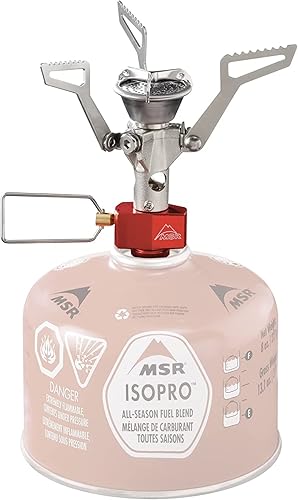
Maximum calorie density, minimum weight. Everything rehydrates with boiling water. This is where your dehydrator investment really pays off.
Day 5
- Breakfast: Instant grits with cheese powder, olive oil packet, everything bagel seasoning (480 cal, 4 oz)
- Lunch/Snacks: Couscous with dehydrated vegetables, olive oil, and Italian seasoning plus energy bar and nuts (720 cal, 6 oz)
- Dinner: Homemade dehydrated chicken tikka masala with instant rice (recipe below) (700 cal, 5 oz)
- Daily total: ~3,100 cal | ~18 oz food weight
Day 6
- Breakfast: Instant oatmeal with coconut flakes, dark chocolate chips, almond butter packet (520 cal, 4 oz)
- Lunch/Snacks: Instant rice with dehydrated beans, taco seasoning, and hot sauce packets (580 cal, 5 oz)
- Dinner: Homemade dehydrated beans and rice (recipe below) with tortilla chips (670 cal, 6 oz)
- Daily total: ~3,000 cal | ~18 oz food weight
Day 7
- Breakfast: Powdered eggs with dehydrated peppers and cheese powder in a tortilla (440 cal, 4 oz)
- Lunch/Snacks: Ramen bomb (recipe below) plus remaining snacks (750 cal, 6 oz)
- Dinner: Couscous with curry powder, dehydrated vegetables, coconut milk powder, and cashews (680 cal, 5 oz)
- Daily total: ~3,050 cal | ~17 oz food weight
Top 5 DIY Dehydrated Meal Recipes
These are my go-to dehydrated meals for hiking. Each recipe makes 2 trail servings. Prep them at home, vacuum seal, and they’ll last 3-6 months stored in a cool, dark place.
1. Chili Mac
Calories: 650 per serving | Dry weight: 6 oz | Rehydration time: 15 min
At home: Brown 1 lb ground beef with 1 diced onion. Add 1 can black beans (drained), 1 can diced tomatoes, 2 tbsp chili powder, 1 tsp cumin, 1 tsp garlic powder, salt and pepper. Simmer 20 minutes. Spread on dehydrator trays lined with parchment. Dehydrate at 155°F for 8-10 hours until completely dry and crumbly.
On trail: Add dried mixture to pot with 2 cups boiling water and 1 cup dry elbow macaroni. Cover, let sit 15 minutes. Stir and eat. Crush Fritos on top if you packed them — trust me on this.
2. Thai Peanut Noodles
Calories: 680 per serving | Dry weight: 5 oz | Rehydration time: 12 min
At home: Cook sauce: 1/2 cup peanut butter, 3 tbsp soy sauce, 2 tbsp rice vinegar, 1 tbsp sriracha, 1 tbsp brown sugar, 1 tsp ginger powder. Dehydrate sauce as fruit-leather style sheets at 135°F for 6-8 hours. Separately dehydrate cooked diced chicken breast at 155°F for 8 hours. Package with a portion of rice noodles (angel hair works too), crushed peanuts, and dried scallions.
On trail: Break sauce leather into pieces. Add everything to pot with 2 cups boiling water. Cover 12 minutes. Stir thoroughly until sauce dissolves. Squeeze a lime if you packed one (Days 1-2 only).
3. Chicken Tikka Masala
Calories: 700 per serving | Dry weight: 5 oz | Rehydration time: 15 min
At home: Make a batch of chicken tikka masala — dice 1 lb chicken breast, simmer in sauce of 1 can crushed tomatoes, 1/2 cup coconut cream, 2 tbsp tikka masala spice blend, 1 tsp turmeric, salt to taste. Cook until thickened. Spread on lined dehydrator trays at 155°F for 10-12 hours. Package with a portion of instant rice and a packet of coconut milk powder.
On trail: Boil 2 cups water. Add instant rice, dehydrated tikka mixture, and coconut milk powder. Cover 15 minutes. Stir well. This one gets better the longer it sits — the flavors meld beautifully.
4. Beans and Rice
Calories: 670 per serving | Dry weight: 6 oz | Rehydration time: 15 min
At home: Cook 2 cups rice. Separately cook 1 can pinto beans and 1 can black beans with 1 diced onion, 2 cloves garlic, 2 tsp cumin, 1 tsp smoked paprika, salt and pepper. Combine and spread on dehydrator trays at 135°F for 8-10 hours. Package with individual hot sauce packets, dried cilantro, and a small bag of crushed tortilla chips.
On trail: Add mixture to 2.5 cups boiling water. Cover 15 minutes. Top with hot sauce and crushed chips. Add olive oil packet for extra calories. This is the ultimate comfort meal after a cold day on trail.
5. Ramen Bomb
Calories: 750 per serving | Dry weight: 7 oz | Rehydration time: 8 min
At home prep: Package together: 1 brick ramen noodles (save seasoning packet), 2 tbsp powdered peanut butter, 1 tbsp sesame oil (in a small leak-proof container), dehydrated vegetable mix (corn, peas, carrots), 1 oz beef jerky cut into small pieces, 1 tbsp crushed peanuts, dried scallions, chili flakes.
On trail: Boil 2 cups water, cook ramen 3 minutes. Drain most water (leave about 1/4 cup). Add ramen seasoning packet, peanut butter powder, sesame oil, jerky, and vegetables. Stir and cover 5 minutes for jerky and vegetables to soften. Top with peanuts and chili flakes. This is calorie-bomb comfort food at its finest.
Snack Strategy
Snacking isn’t optional on trail — it’s how you keep energy levels steady between meals. I allocate 800-1,200 calories per day to snacks, which is roughly a third of my total intake. The key is calorie density: you want maximum energy per ounce of pack weight.
Tier 1: Calorie-Dense Powerhouses (150+ cal/oz)
- Mixed nuts and seeds: 170 cal/oz. Almonds, cashews, walnuts, sunflower seeds. Buy in bulk, portion into daily bags of 3-4 oz each.
- Nut butter packets: 190 cal/oz. Justin’s or individual squeeze packs. No mess, no waste.
- Dark chocolate: 155 cal/oz. Go for 70%+ cacao. Doubles as morale booster.
- Olive oil packets: 240 cal/oz. Pure liquid calories. Add to any dinner for an instant calorie boost.
Tier 2: Solid Performers (100-150 cal/oz)
- Beef or turkey jerky: 115 cal/oz. Protein-heavy, salty, satisfying. Make your own for half the cost.
- Energy bars: 120-130 cal/oz. Clif, ProBar, or homemade. Carry 1-2 per day.
- Hard cheese (Days 1-3): 110 cal/oz. Aged cheddar, parmesan, and gouda last longest without refrigeration.
- Dried fruit: 95-100 cal/oz. Mangoes, apricots, cranberries. Good quick sugar hit.
Snack Packing System
I pre-portion daily snack bags at home. Each bag contains a mix from both tiers totaling 800-1,000 calories and weighing about 6-8 oz. This goes in an accessible pocket so I can graze throughout the day without stopping to dig through my bear canister or food bag. On big days with heavy climbing, I throw in an extra bar or an additional nut butter packet.
Weight and Cost Comparison: DIY vs. Store-Bought
Here’s where the numbers really tell the story. I tracked costs and weights across multiple trips comparing my DIY meal prep system against popular commercial freeze-dried brands.
| Category | DIY Meal Prep | Store-Bought Freeze-Dried |
|---|---|---|
| Cost per day (3 meals) | $7-10 | $25-40 |
| Cost per 7-day trip | $50-70 | $175-280 |
| Average dinner weight (dry) | 5-6 oz | 4-5 oz |
| Total daily food weight | 18-32 oz (varies by day) | 16-22 oz |
| Total 7-day food weight | ~13-14 lbs | ~10-11 lbs |
| Calories per day | 3,000-3,200 | 2,200-2,800 |
| Sodium control | Full control | Often excessive (800-1100mg/meal) |
| Taste (subjective) | 8-9/10 | 5-7/10 |
| Prep time at home | 4-6 hours | 15-30 minutes |
| Dietary customization | Complete | Limited |
The bottom line: DIY meal prep costs 60-75% less than commercial options while delivering more calories and better taste. You pay for that in prep time — about 4-6 hours of cooking and dehydrating at home per trip. For me, that’s a no-brainer. A single 7-day trip saves $100-200, which means your dehydrator pays for itself after one or two outings.
The weight penalty is modest — roughly 2-3 extra pounds over a full week compared to exclusively freeze-dried food. But you’re getting an extra 400-800 calories per day from that weight, which translates to significantly better performance on trail. I’ll happily carry an extra pound or two if it means I’m not running on fumes by Day 5.
Frequently Asked Questions
How long do homemade dehydrated backpacking meals last?
Vacuum-sealed dehydrated meals stored in a cool, dark place last 3-6 months reliably. I’ve pushed meals to 8-9 months without issues, but the flavor starts to degrade past the 6-month mark. Meals with higher fat content (anything with cheese powder or coconut) have shorter shelf lives — use those within 3 months. Always label your meals with the prep date. If a meal looks discolored, smells off, or has any signs of moisture when you open the seal, toss it. Food safety on trail is not worth the gamble.
Can I meal prep for backpacking without a dehydrator?
Yes, but your options are more limited. You can build solid meal plans around no-cook or boil-only ingredients: instant oatmeal, couscous, instant rice, ramen, instant mashed potatoes, nut butters, jerky, dried fruits, nuts, and hard cheeses. Many hikers do perfectly well with this approach, especially for trips of 3-4 days. A dehydrator opens up an entirely different level of variety and lets you essentially bring your favorite home-cooked meals on trail, but it’s not strictly necessary for shorter trips.
How do I handle food allergies or dietary restrictions on trail?
This is actually one of the strongest arguments for DIY meal prep. Commercial freeze-dried meals frequently contain dairy, gluten, soy, or nuts — and cross-contamination risks in manufacturing are real. When you prep your own meals, you control every ingredient. For gluten-free, swap pasta for rice noodles or instant rice. For dairy-free, use coconut milk powder instead of cheese or milk powder. For nut allergies, sunflower seed butter replaces peanut butter at similar calorie density (about 165 cal/oz). Build your system around ingredients you know work for your body.
What’s the best way to rehydrate meals on trail?
The most efficient method is the freezer-bag cooking system. Pour your dehydrated meal into a quart-size freezer bag or a dedicated rehydration pouch, add boiling water, seal, and wrap in a cozy (an insulated sleeve — even a beanie works). Wait the prescribed time, usually 10-15 minutes. This method uses less fuel than simmering in a pot, requires no pot cleanup, and gives better rehydration results because the insulation keeps the water hot longer. On cold mornings, I sometimes start rehydrating breakfast while I break down my shelter — it’s ready to eat by the time I’m packed up.
How much water do I need to budget for cooking dehydrated meals?
Most dehydrated dinners require 1.5-2.5 cups of water per serving. Breakfasts typically need 1-1.5 cups. Budget roughly 1 liter of extra water per day for cooking beyond your drinking needs. This is critical for water carry planning in dry sections. I note the required water amount on each vacuum-sealed meal with a Sharpie so I don’t have to guess at camp. In water-scarce environments, meals like couscous and instant mashed potatoes are better choices since they require less water than pasta or rice dishes.
Featured Image Source: Pexels